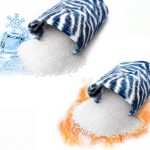

Creating your own heating pad is a fantastic way to soothe sore muscles, relieve tension, or keep warm during cold evenings. When making a DIY version, selecting the right filler for homemade heating pad projects is the most important step to ensure safety and comfort. Whether you prefer natural grains, advanced thermal beads, or soft stuffing, the right material will determine how well your pad holds heat and how long it lasts. Finding the perfect balance of heat retention and texture makes all the difference in your comfort journey.
Quick Product Comparison
Our Top 5 Filler For Homemade Heating Pad Reviews – Expert Tested & Recommended
1. Heat-Storage Beads Reusable Thermal Filler
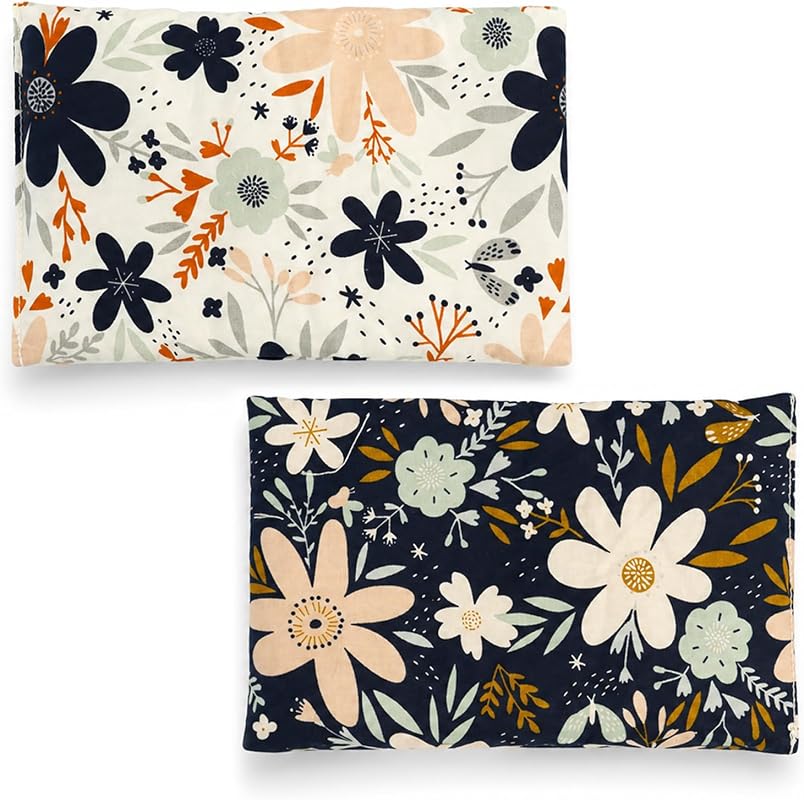
These specialized beads are engineered for consistent heat retention, making them a premium filler for homemade heating pad projects. They hold their shape perfectly and provide a steady, reliable warmth that is ideal for those seeking the best heating pads for fast pain relief.
Key Features That Stand Out
- ✓ Excellent thermal mass for long-lasting heat
- ✓ Durable granular structure that won’t break down
- ✓ Consistent weight for a soothing, weighted feel
- ✓ Reusable through many heating cycles
Why We Recommend It
We love these beads because they offer a much cleaner and more stable experience than organic fillers. You get uniform warmth without the worry of mold or spoilage over time.
Best For
Serious DIY enthusiasts who want a long-lasting, professional-grade heating pack.
Pros:
- Stays warm for an extended time
- Odorless and non-toxic
- Easy to pour into any fabric shape
Cons:
- Higher initial cost than rice
- Requires careful sealing of fabric
Customer Reviews
“Customer Review: These beads hold heat significantly longer than the rice bag I used to use. It is perfect for my recurring shoulder aches!”
“Customer Review: Solid quality, no dust, and they provide a very even heat distribution. Highly recommended for DIY projects.”
2. Poly-Fil Fairfield Original Polyester Fiber Fill
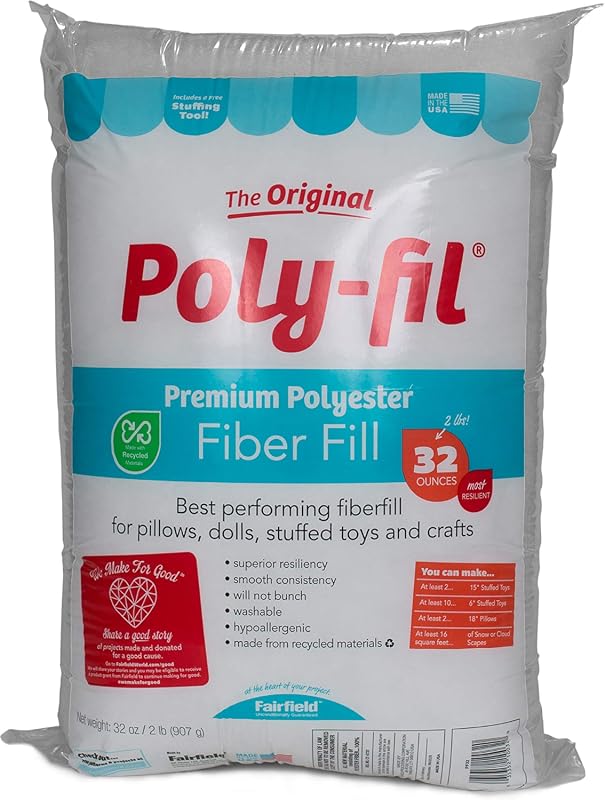
While often used for crafts, this fiber fill is a great choice if you are looking to create a soft, plush heating pad cover or a layered heating aid. It provides the necessary volume to make your creation feel like the best heating pad in terms of sheer comfort.
Key Features That Stand Out
- ✓ Ultra-soft and hypoallergenic material
- ✓ Easy to fluff and distribute within fabric
- ✓ Lightweight and ideal for padding
- ✓ Retains loft over repeated use
Why We Recommend It
Sometimes you need comfort over pure heat storage. This fiber fill is perfect for creating wraps that feel cozy against the skin, especially when paired with a heat-retaining inner layer.
Best For
Those creating soft, plush heating covers or neck wraps that prioritize comfort.
Pros:
- Incredibly soft and lightweight
- Easy to shape
- Very affordable for the amount provided
Cons:
- Does not store heat on its own
- Not intended as the primary heating element
Customer Reviews
“Customer Review: I used this to make a soft sleeve for my heat pack. It makes it so much more comfortable to wear while working.”
“Customer Review: High quality stuffing that stays fluffy. Exactly what I needed for my craft project.”
3. TrelaCo Silica Heat Pack Beads
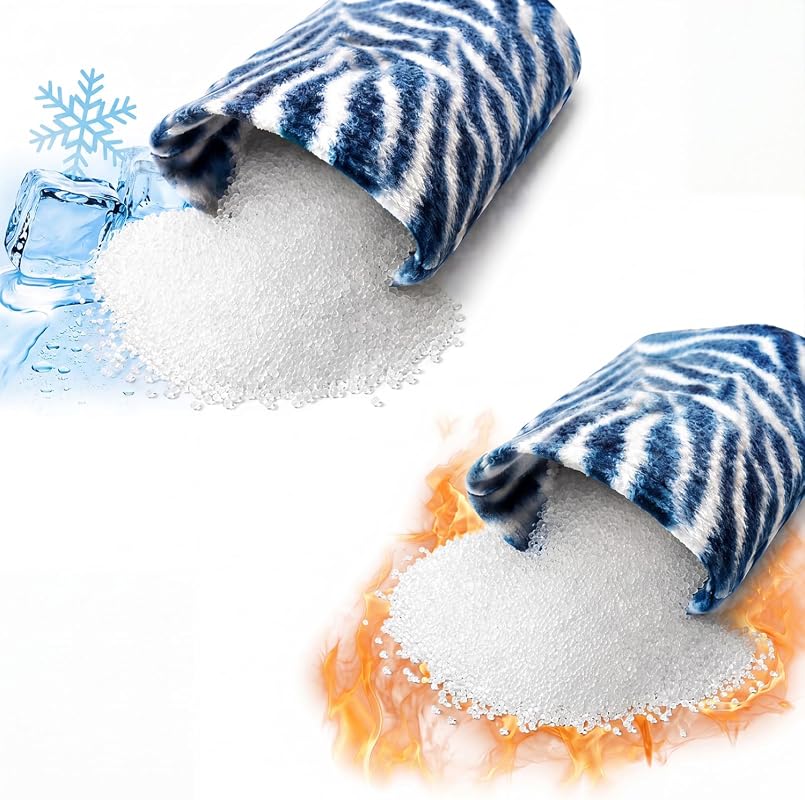
If you need a reliable bulk option, these silica beads are a smart choice. They are highly effective at providing quick, even heat, making them a popular filler for homemade heating pad kits for those with tight budgets.
Key Features That Stand Out
- ✓ Rapid heating capabilities
- ✓ Odorless and hygienic material
- ✓ Resistant to insects and pests
- ✓ Generous 4 lb pack for multiple projects
Why We Recommend It
These beads are incredibly practical. They don’t smell like cooked rice after repeated heating, which is a massive plus for daily users.
Best For
Budget-conscious makers who want a long-term, odorless heating solution.
Pros:
- Excellent value for money
- Clean and allergen-free
- Great heat retention properties
Cons:
- Bag needs secure double-stitching
- Heavier than organic materials
Customer Reviews
“Customer Review: This is the best value. I have enough to make several pads for friends and family.”
“Customer Review: Much better than using corn or rice. No funny smells when I microwave it!”
4. Basic Herb Pack Natural Aromatherapy Heating Pad
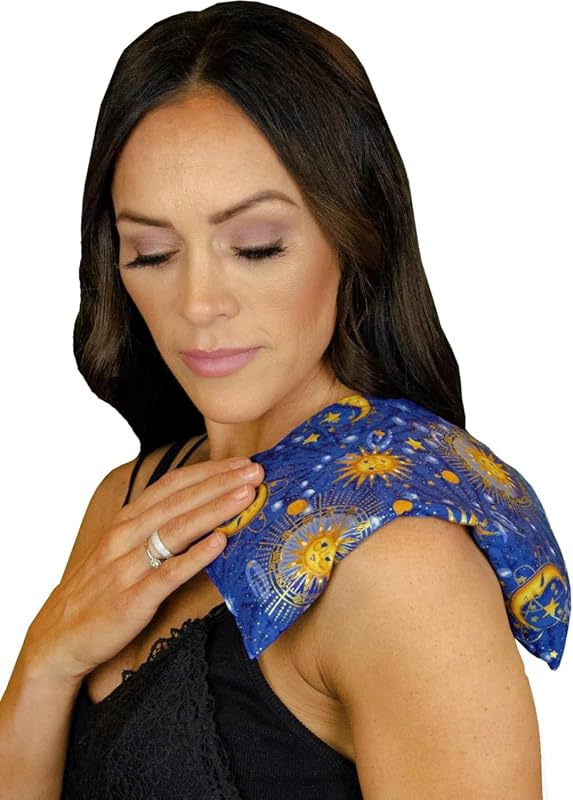
If you prefer a natural approach, this pre-filled herb pack is excellent. It uses rice and flaxseed, which are classic, soothing fillers that provide moist heat—perfect for best moist heating pads for soothing relief.
Key Features That Stand Out
- ✓ Infused with a 12-herb aromatherapy blend
- ✓ Provides gentle, moist heat relief
- ✓ Molds comfortably to body contours
- ✓ Versatile for hot or cold therapy
Why We Recommend It
The addition of aromatic herbs turns a simple heat pack into a relaxing spa-like experience. The moisture from the grains helps the heat penetrate deeper into sore muscles.
Best For
Those seeking relaxation and aromatherapy alongside pain relief.
Pros:
- Incredibly soothing scent
- Provides natural, deep-penetrating heat
- Great for tension headaches
Cons:
- Scent may fade over time
- Natural materials can degrade faster
Customer Reviews
“Customer Review: The smell is amazing! It really helps me relax after a long day at work.”
“Customer Review: This is so much better than an electric pad. The heat feels more natural and soothing.”
5. Large 8×12 Inch Microwave Heating Pad
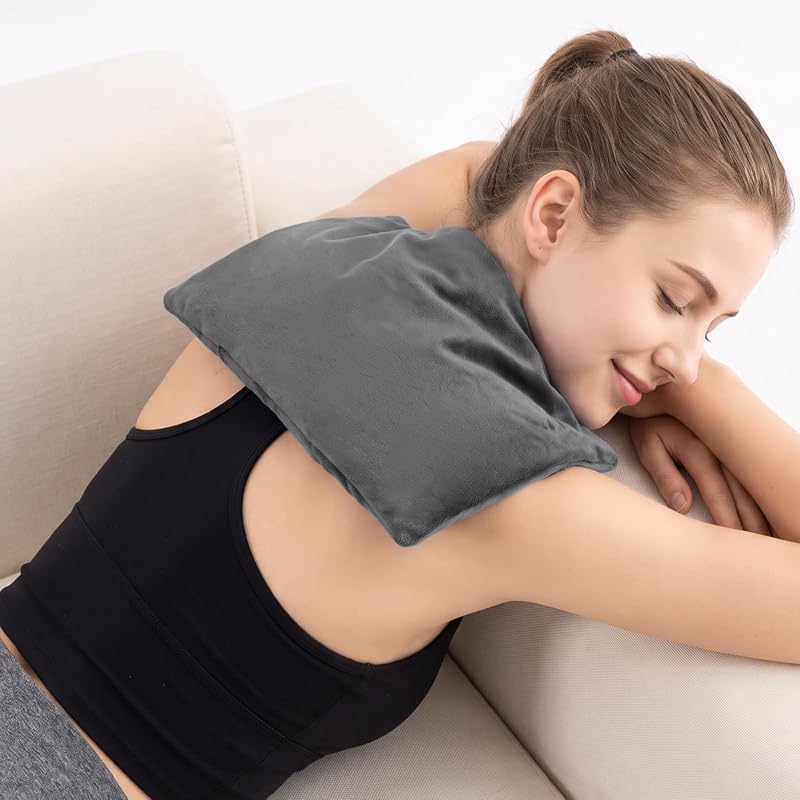
This is a well-rounded option that uses a blend of clay beads, flaxseed, and millet. It is a fantastic example of a balanced filler for homemade heating pad design that offers durability and comfort.
Key Features That Stand Out
- ✓ Multi-filling blend for superior heat retention
- ✓ Comes with a soft, washable velvet cover
- ✓ Large 8×12 inch surface area
- ✓ Unscented for those sensitive to smells
Why We Recommend It
The combination of fillers creates a perfect weight that holds the pad against your body. Plus, having a washable cover makes maintenance very easy.
Best For
People looking for a versatile, easy-to-clean heating pad for back or neck pain.
Pros:
- Very comfortable velvet texture
- Large enough for shoulder coverage
- Stays warm for a long time
Cons:
- Must follow heating instructions carefully
- A bit heavy for some users
Customer Reviews
“Customer Review: This is the perfect size for my lower back. The weight is just right to stay in place.”
“Customer Review: Easy to clean and holds heat for at least 20 minutes. I love this pad!”
Complete Buying Guide for Filler For Homemade Heating Pad
Essential Factors We Consider
When selecting your filler, prioritize heat retention, odor profile, and moisture resistance. Natural options like rice and flaxseed are classic, but they can degrade over time. If you prefer long-term solutions, inorganic beads are your best bet. Always consider the weight as well, as a heavier filler provides a more comforting “weighted” therapy effect.
Budget Planning
Organic fillers are generally cheaper per pound, but they may need replacing annually. Synthetic or mineral-based beads have a higher upfront cost but offer better longevity and hygiene, potentially saving you money in the long run.
Final Thoughts
Creating your own heating tool is rewarding and practical. Whether you choose the aromatic calm of herbs or the consistent, long-lasting performance of thermal beads, the right filler ensures you get the relief you deserve. Take your time to select the material that fits your specific needs.
Frequently Asked Questions
Q: Can I wash my heating pad?
A: Most DIY pads with organic fillers should not be submerged in water. It is better to use a removable, washable outer cover. If you use inorganic beads, ensure your inner pouch is leak-proof.
Q: How long should I heat the pad?
A: Start with 60 to 90 seconds in the microwave. Test the heat carefully, and if needed, continue in 30-second increments. Never exceed the manufacturer’s maximum heating time.
Q: What is the best filler for cold therapy?
A: Silica beads and clay beads work exceptionally well in the freezer. They retain a comfortable cold temperature without becoming stiff or clumpy.
Q: Is it safe to use essential oils?
A: Yes, adding a few drops to your filler can enhance the experience, but ensure the oil is diluted and the material can safely withstand the microwave heat.
Choosing the right filler for homemade heating pad projects is the secret to a successful, comforting DIY result. Whether you need deep muscle relief or just a bit of cozy warmth, pick the material that aligns with your lifestyle. Happy crafting and stay warm!