
When you start adding plates to the bar, a solid Weight Lifting Belt becomes essential for protecting your lower back and maximizing power. The right belt can turn a good lift into a great one, and it also helps you stay comfortable during long workout sessions. For added stability, consider pairing it with a set of wrist wraps during heavy squats to create a balanced support system.
Quick Product Comparison
Our Top 5 Weight Lifting Belts Reviews – Expert Tested & Recommended
1. RitFit Weight Lifting Belt
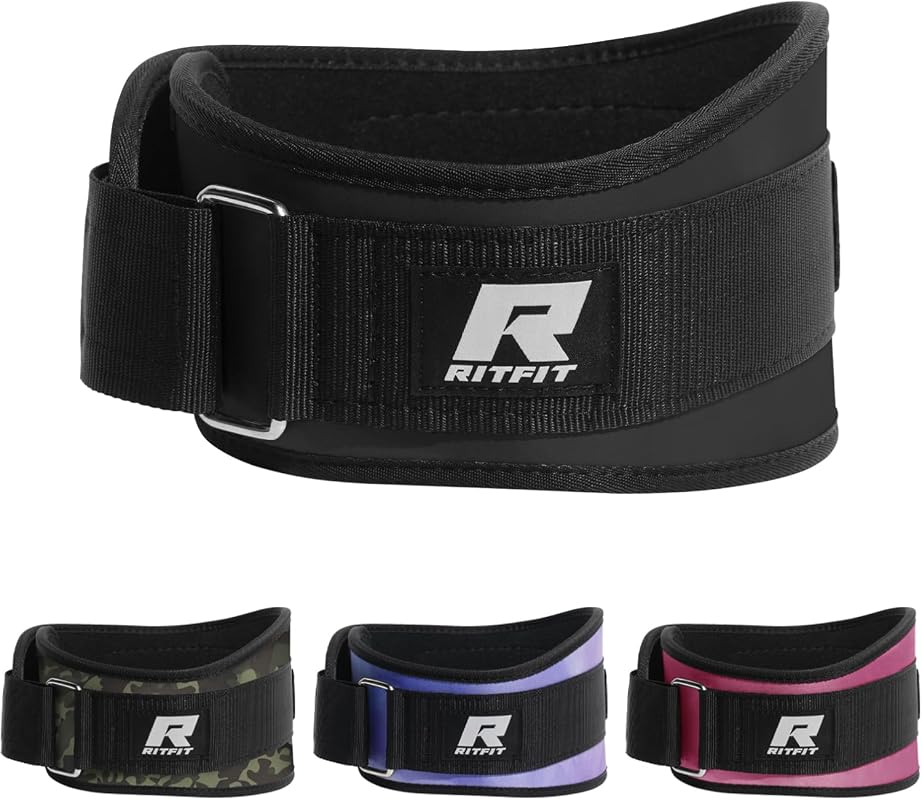
The RitFit Weight Lifting Belt delivers a sturdy 6‑inch wide design that keeps you stable during squats, deadlifts, and thrusters. Its premium reinforced tricot feels comfortable all day, and the camo finish adds a bold look to any gym attire.
Key Features That Stand Out
- ✓ 6” extra‑wide contoured belt for full back and core support.
- ✓ Premium reinforced tricot material that resists riding up or digging in.
- ✓ Versatile for squats, lunges, deadlifts, and thrusters.
- ✓ Unisex design with heavy‑duty durability for daily workouts.
Why We Recommend It
We recommend the RitFit because it offers exceptional support without sacrificing comfort. The wide width and durable tricot make it a reliable choice for both beginners and seasoned lifters.
Best For
Powerlifters and CrossFit athletes who need a versatile, sturdy belt for multiple movements.
Pros and Cons
Pros:
- Strong supportive width for heavy lifts.
- Comfortable tricot material that won’t dig in.
- Durable construction for long‑term use.
- Works well for a variety of exercises.
Cons:
- Limited color options (camouflage only).
- May be too thick for some users who prefer a slimmer profile.
Customer Reviews
Customer Review: “Great belt, very supportive. It stays in place during heavy squats and the camo design is a nice touch.” – John D.
Customer Review: “Very comfortable and durable. I’ve noticed less lower‑back fatigue since switching to this belt.” – Emily R.
2. Genuine Leather Weight Lifting Belt
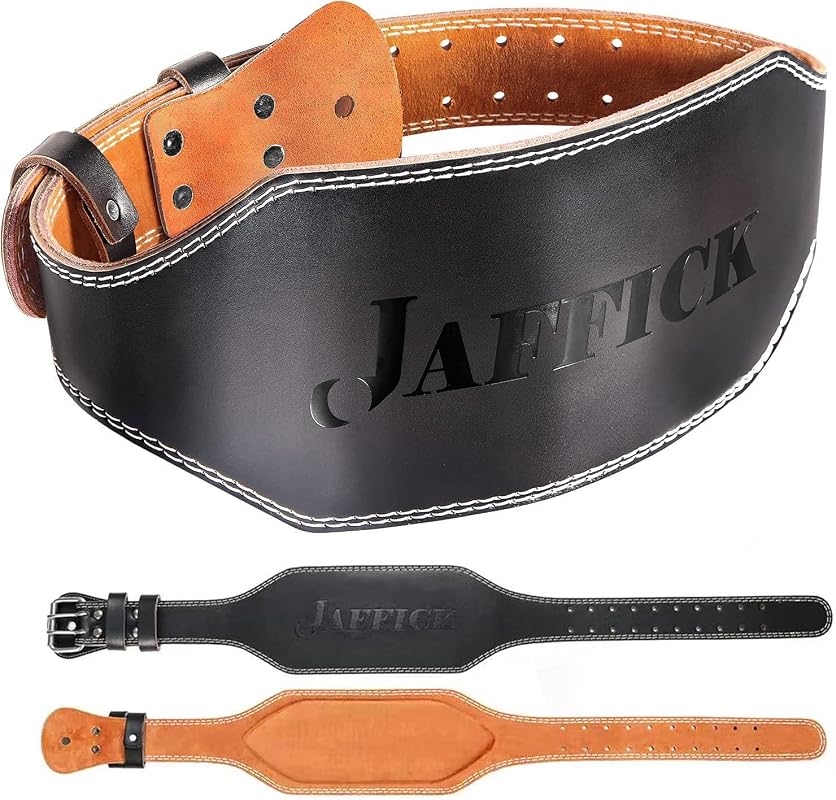
The Genuine Leather Weight Lifting Belt offers classic powerlifting support with built‑in lumbar protection. Double‑sided leather construction adds strength, while the wide design provides reliable stability for heavy squats and deadlifts.
Key Features That Stand Out
- ✓ Genuine leather for timeless durability and premium feel.
- ✓ Wide, double‑sided leather design for enhanced strength.
- ✓ Multiple size options (S‑XXL) to ensure a precise fit.
- ✓ Built‑in lumbar support to protect your lower back during lifts.
Why We Recommend It
This leather belt combines classic aesthetics with solid support, making it a favorite for powerlifters who appreciate a sturdy, long‑lasting option.
Best For
Powerlifters and bodybuilders who prefer the traditional look and feel of leather.
Pros and Cons
Pros:
- Premium genuine leather that ages beautifully.
- Excellent lumbar support for heavy lifting.
- Strong double‑sided construction for added durability.
- Extensive size range for accurate fitting.
Cons:
- Heavier than synthetic options, which may affect comfort.
- Higher price point compared to nylon belts.
Customer Reviews
Customer Review: “The leather feels solid and the belt is very supportive. I love the lumbar area – it really helps with my deadlifts.” – Mike T.
Customer Review: “Great size selection, ordered my usual size and it fits perfectly. The double‑sided leather looks great too.” – Lisa K.
3. Gymreapers Leather Weightlifting Belt
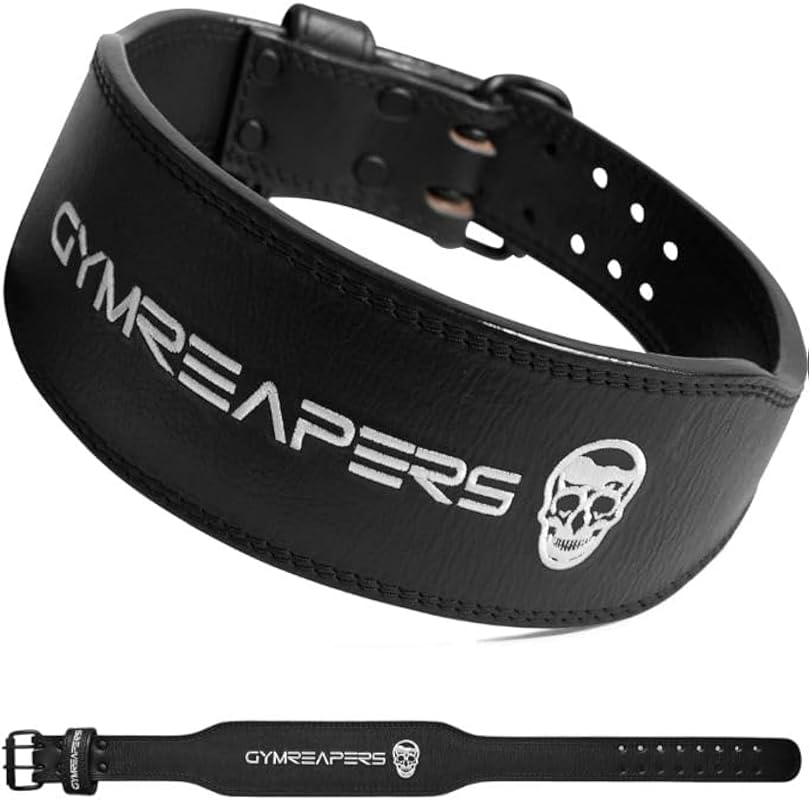
Gymreapers offers a budget‑friendly leather belt that still delivers solid performance. At just 1.5 lb and 4 inches wide, it feels light yet provides enough support for squats and deadlifts.
Key Features That Stand Out
- ✓ Real leather construction that resists tears while staying affordable.
- ✓ 4‑inch width and form‑fitting design for a comfortable, weightless feel.
- ✓ Adjustable metal buckle for easy sizing adjustments.
- ✓ Lightweight (1.5 lb) for easy storage and transport.
Why We Recommend It
We recommend the Gymreapers belt for anyone looking for a quality leather option without breaking the bank. Its light weight and comfortable fit make it ideal for daily training.
Best For
Budget‑conscious lifters, beginners, and CrossFit athletes who need a reliable yet affordable belt.
Pros and Cons
Pros:
- Affordable price for a leather belt.
- Lightweight and comfortable during long sessions.
- Good quality leather that holds up well.
- Adjustable buckle ensures a custom fit.
Cons:
- Narrower width may not suit extreme powerlifting demands.
- Limited color choices compared to other brands.
Customer Reviews
Customer Review: “Great value for a leather belt. It’s comfortable and the buckle adjusts easily. Perfect for my daily squats.” – Alex P.
Customer Review: “I was skeptical about the price, but the belt feels solid and lasts long. Highly recommend for beginners.” – Samantha L.
4. Gymreapers Quick Locking Weight Lifting Belt
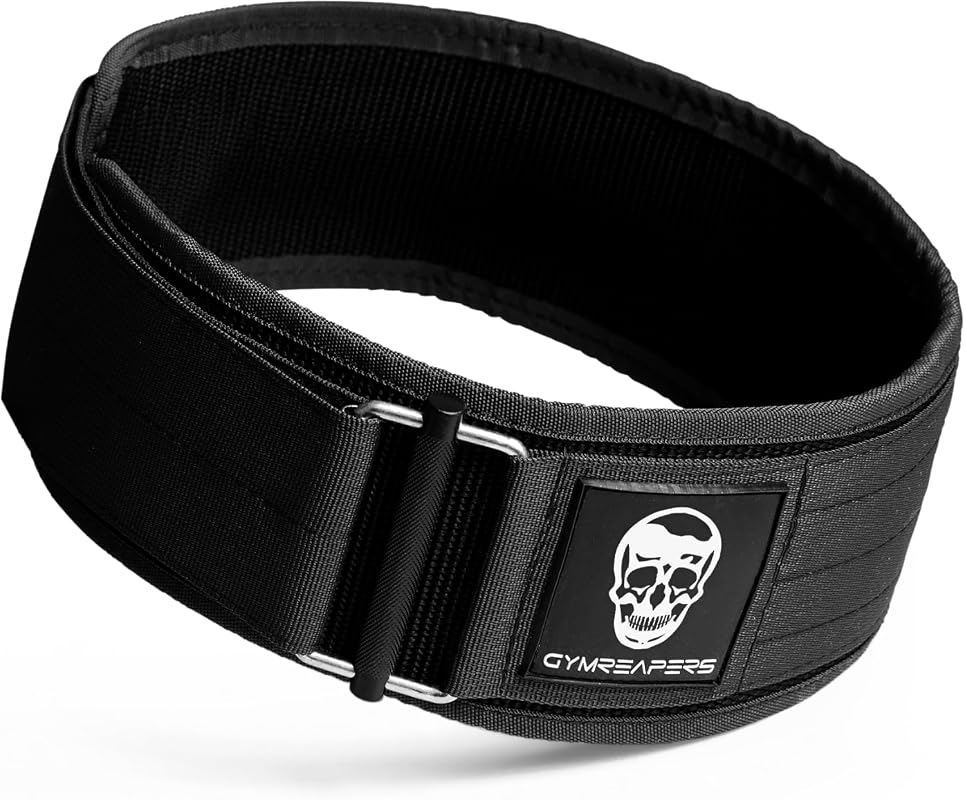
The Gymreapers Quick Locking Belt brings a functional metal buckle that snaps on and off with one hand, perfect for athletes who need rapid adjustments between sets.
Key Features That Stand Out
- ✓ Quick‑locking metal buckle for fast release and re‑engagement.
- ✓ 4‑inch neoprene padding adds comfort and prevents slipping.
- ✓ Competition‑tested design ensures reliability under heavy loads.
- ✓ Unisex build with sturdy construction for powerlifting and deadlifts.
Why We Recommend It
This belt excels when you need a hands‑free locking system. The neoprene padding and quick buckle make it a top choice for athletes who switch loads quickly.
Best For
Powerlifters and athletes who require rapid belt adjustments, especially in competition settings.
Pros and Cons
Pros:
- Fast locking mechanism speeds up workout flow.
- Neoprene padding adds comfort and grip.
- Built to competition standards.
- Sturdy construction for repeated heavy use.
Cons:
- Higher price compared to basic belts.
- Neoprene may wear out faster than leather under extreme conditions.
Customer Reviews
Customer Review: “The quick lock works like a charm. No more fumbling with buckles during heavy deadlifts.” – Brandon S.
Customer Review: “Great neoprene padding, very comfortable. The belt feels solid and the lock is secure.” – Natalie R.
5. Element 26 Self-Locking Weight Lifting Belt
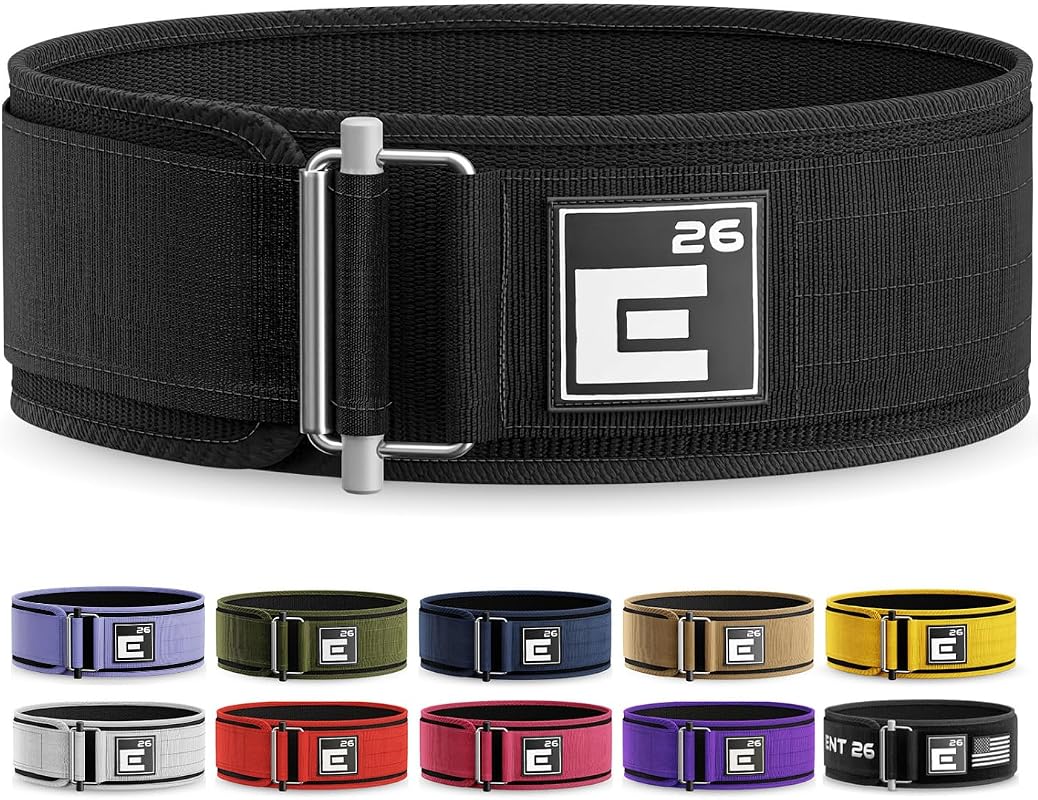
Element 26’s self‑locking belt uses a full‑metal buckle that engages automatically under load, giving you a secure feel for squats and deadlifts without the hassle of manual tightening.
Key Features That Stand Out
- ✓ Self‑locking metal buckle that stays locked during heavy lifts.
- ✓ 4‑inch uniform width delivers consistent intra‑abdominal pressure.
- ✓ Precise sizing guide (XS‑XL) helps you find the perfect fit.
- ✓ Nylon construction offers durability while staying lightweight.
Why We Recommend It
The automatic lock and accurate sizing make this belt a convenient choice for lifters who want reliable support without fiddling with adjustments.
Best For
Lifters who want a hands‑free locking system and need precise sizing for consistent performance.
Pros and Cons
Pros:
- Automatic locking for quick, secure fits.
- Uniform 4‑inch width ensures consistent pressure.
- Lightweight nylon keeps the belt easy to handle.
- Clear size chart simplifies ordering.
Cons:
- Nylon may feel less premium than leather.
- Buckle may not be as sturdy for extreme overload scenarios.
Customer Reviews
Customer Review: “The self‑lock works perfectly – no more manual tightening. Fits like a glove and feels sturdy.” – Carlos M.
Customer Review: “Great size guide, ordered XL and it fits exactly. The belt is lightweight and comfortable.” – Priya S.
Complete Buying Guide for Weight Lifting Belts
Essential Factors We Consider
When choosing a Weight Lifting Belt, think about material, width, buckle type, adjustability, and durability. Leather offers classic durability, while nylon or synthetic options provide lightweight comfort. Widths typically range from 4 inches for powerlifting to 6 inches for CrossFit, affecting core support. A quick‑lock buckle can speed up your workout, and a broad size range ensures a snug fit for every lifter.
Budget Planning
Expect to spend roughly $30‑$50 for budget models, $50‑$80 for mid‑range options, and $80+ for premium leather or competition‑grade belts. Look for seasonal sales or bundle deals to stretch your budget further. Pairing your belt with quality wrist wraps can also enhance overall stability without a huge extra cost.
Final Thoughts
A good Weight Lifting Belt is an investment in safety and performance. Choose a belt that matches your lifting style, comfort preferences, and budget. Test it out with a few light lifts before tackling heavy loads, and always prioritize a proper fit to get the most support.
Frequently Asked Questions
Q: What is the best width for a weight lifting belt?
A: For powerlifting a 4‑inch belt is common, but a 6‑inch belt offers more core stability for CrossFit and bodybuilding.
Q: How do I measure my waist for a weight lifting belt?
A: Measure around your natural waist (navel area) and refer to the brand’s size chart; most manufacturers provide clear conversion to belt size.
Q: Should I choose leather or nylon for my belt?
A: Leather provides durability and a classic feel, while nylon is lighter and often cheaper; pick based on your budget and preference for weight.
Q: Can a weight lifting belt replace proper form?
A: No, a belt is a supplemental tool; it cannot compensate for poor technique, but it does help increase intra‑abdominal pressure and safety when used correctly.
If you found this roundup helpful, share it with fellow gym‑goers and explore our other guides like best wrist wraps for lifting. Ready to upgrade your lifting setup? Check out the top picks above and start training with confidence today!