

Dermal piercings are popular in body art. They are unique and different. Many people like them. But how do they work? This article will explain everything about dermal piercings.
Credit: www.reddit.com
What is a Dermal Piercing?
A dermal piercing is a type of body piercing. It goes under the skin. It can hold jewelry on the skin’s surface. This piercing is different from regular piercings. Regular piercings go through a hole in the skin. Dermal piercings have only one entry point.
How Does a Dermal Piercing Work?
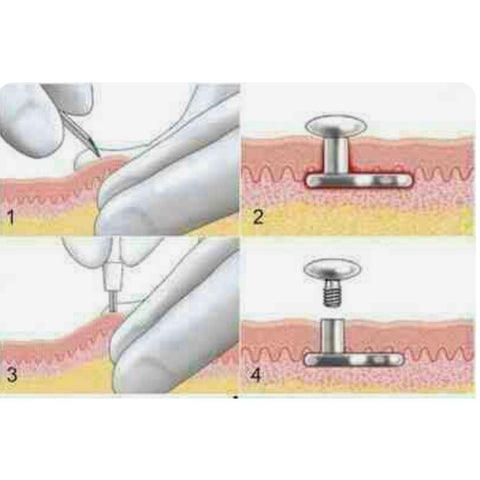
The process of getting a dermal piercing is simple. First, a piercer prepares the area. They clean the skin to prevent infection. Then, they use a special tool. This tool makes a small hole in the skin. After that, they insert a small anchor. The anchor stays under the skin.
Next, the piercer places jewelry on top. The jewelry is usually a small gem or decoration. It sits on the skin’s surface. The anchor holds it in place. This way, the jewelry does not fall off.
Types of Dermal Piercings
There are different types of dermal piercings. Here are some popular ones:
- Facial dermal piercings: These are on the face. People often place them on cheeks or chins.
- Body dermal piercings: These can go anywhere on the body. Common spots include the neck, chest, and stomach.
- Surface piercings: These are similar to dermal piercings. They can go on the arms or legs.
What Happens After Getting a Dermal Piercing?
After getting a dermal piercing, the body starts to heal. Healing takes time. It can take several weeks to months. During this time, care is important. Here are some tips for aftercare:
- Keep the area clean. Wash it with soap and water.
- Use saline solution to rinse the area.
- Avoid touching the piercing with dirty hands.
- Do not remove the jewelry too soon.
- Avoid swimming in pools or lakes.
Possible Risks of Dermal Piercings
Like all piercings, dermal piercings have risks. Here are some common risks:
- Infection: If not cared for, piercings can get infected.
- Rejection: Sometimes, the body pushes the jewelry out.
- Allergic reactions: Some people may react to the metal.
How to Choose a Piercer
Choosing the right piercer is very important. A skilled piercer can make the process safe. Here are some tips to find a good piercer:
- Look for recommendations from friends.
- Check online reviews about the studio.
- Visit the studio before getting pierced.
- Ask about their experience and training.
What Jewelry is Used for Dermal Piercings?
Jewelry is an important part of dermal piercings. There are many styles to choose from. Here are some common types of jewelry:
- Dermal anchors: This is the part that goes under the skin.
- Top jewelry: This is the visible part. It can be a gem or a design.
- Materials: Jewelry can be made from titanium, gold, or surgical steel.
How to Care for Dermal Piercing Jewelry
Caring for the jewelry is as important as caring for the piercing. Here are some tips:
- Clean the jewelry regularly.
- Avoid wearing cheap or fake jewelry.
- Replace jewelry if it gets damaged.
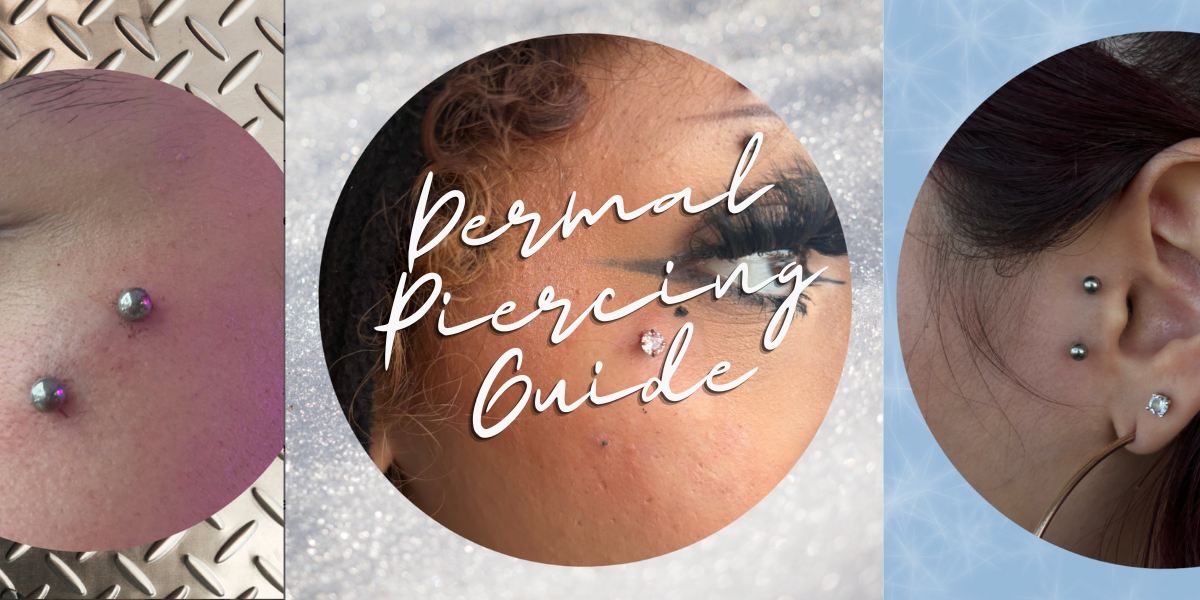
Credit: www.mrinkwells.com
When to Seek Help from a Professional
Sometimes, things may not go as planned. If you notice any problems, seek help. Here are signs to watch for:
- Redness or swelling that does not go away.
- Pus or unusual discharge from the piercing.
- Severe pain that does not improve.
Frequently Asked Questions
What Are Dermal Piercings?
Dermal piercings are body piercings that are anchored under the skin. They create a single, visible piece of jewelry on the surface.
How Do Dermal Piercings Work?
Dermal piercings use a small anchor placed beneath the skin. This anchor holds the jewelry in place securely.
Are Dermal Piercings Safe?
Yes, dermal piercings are generally safe if done by a professional. Proper aftercare is important to avoid infections.
How Long Do Dermal Piercings Last?
With good care, dermal piercings can last for years. Some may need replacement over time.
Conclusion
Dermal piercings are a unique form of body art. They involve inserting an anchor under the skin. Proper care is essential for healing. Choose a good piercer and follow aftercare tips. If problems arise, seek help. Enjoy your new piercing safely!