

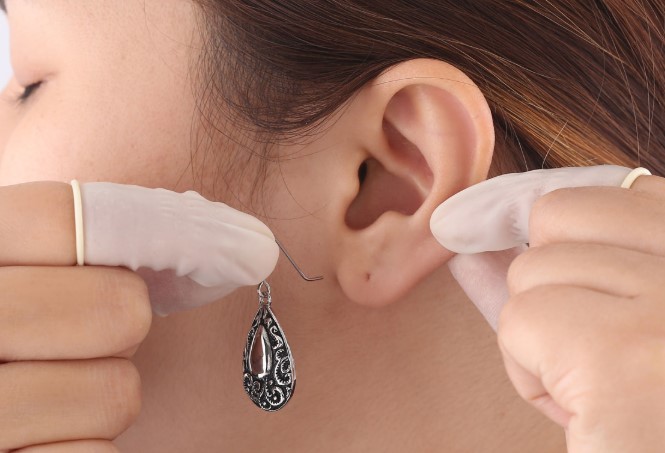

Earrings add charm and personality to any look, but knowing the right time to switch them can prevent discomfort and infection. Freshly pierced ears need careful attention, and changing earrings too soon can cause irritation or slow the healing process.
Understanding the healing timeline helps maintain healthy earlobes and ensures a safe transition from studs to hoops or other styles. Personal habits, lifestyle, and the type of earrings influence the perfect moment for a change.
Piercing aftercare, hygiene, and material choice play critical roles in avoiding allergic reactions. Ear piercings heal differently for everyone, so listening to your body remains essential.
Learning proper techniques for removing and inserting earrings reduces the risk of complications. With the right guidance, switching earrings becomes a safe and enjoyable part of expressing personal style, letting you experiment with trends without compromising ear health.
When Can You Change Your Earrings?
Earrings are one of the easiest ways to show personal style. Many people enjoy changing them to match outfits or moods. Pierced ears need care, especially in the first few months.
Changing earrings too early can cause pain, infection, or slow healing. Knowing the right time and method to change earrings helps keep ears healthy and looking good. This guide explains everything in simple steps.
Understanding Ear Piercings
Ears have different areas for piercings. Each area heals at a different speed. Understanding this helps know when it is safe to change earrings.
Earlobe Piercings
Earlobes are soft and flexible. They heal faster than other parts of the ear. Most earlobe piercings heal in 6 to 8 weeks. After this, earrings can usually be changed safely.
Cartilage Piercings
Cartilage is the hard part of the ear. It is less flexible and takes longer to heal. Healing may take 3 to 12 months depending on the person and piercing type. Changing earrings too early in cartilage piercings can cause pain, bumps, or infections.
Other Ear Piercings
-
Helix (upper ear) – 3 to 9 months
-
Tragus (small flap near ear canal) – 3 to 6 months
-
Daith (inner ear fold) – 6 to 9 months
Signs That Your Piercing Has Healed
Knowing when the ear is ready is important. Signs include:
-
No redness or swelling around the piercing
-
No pain or tenderness
-
No yellow or green discharge
-
Hole feels firm and stable when touched
If any of these signs are missing, wait longer before changing earrings.
How to Change Earrings Safely?
Changing earrings carefully reduces the risk of infection. Follow these steps:
Step 1: Wash Your Hands
Always wash your hands with soap and warm water before touching earrings. Dirty hands carry bacteria that can cause infection.
Step 2: Clean Earrings and Holes
-
Use a saline solution or a gentle antiseptic.
-
Avoid alcohol or hydrogen peroxide; they dry the skin and slow healing.
-
Dab the solution gently with a clean cotton pad.
Step 3: Remove Old Earrings
-
Twist earrings slowly and gently.
-
Avoid pulling hard, as it can tear the skin.
-
Use small pliers if the back is stuck, but be careful not to pinch skin.
Step 4: Insert New Earrings
-
Choose small and lightweight earrings for sensitive or newly healed piercings.
-
Use hypoallergenic material like surgical steel, titanium, or 14k gold.
-
Push the earring gently through the hole without forcing it.
Special Care for First Earrings
The first earrings need extra care to prevent complications.
-
Leave first earrings in for the full healing period.
-
Avoid touching them often.
-
Avoid swimming in pools, lakes, or hot tubs. Water can carry bacteria.
-
Clean the piercing twice a day.
Common Problems and How to Avoid Them
Redness and Swelling
Small redness is normal in the first days. If redness continues, it may be infection.
Pain or Tenderness
Mild soreness is normal. Severe pain means you should stop changing earrings and see a doctor.
Bumps on Piercing
Bumps form when the body reacts to earrings or infection occurs.
-
Use saline solution to reduce bumps.
-
Avoid removing earrings too often.
Infection
Signs include yellow or green discharge, bad smell, heat, or swelling.
-
Stop changing earrings.
-
Clean gently and see a doctor if necessary.
Extra Tips for Healthy Piercings
-
Sleep on the side opposite your piercing during healing.
-
Avoid heavy or large earrings for the first 3 months.
-
Avoid changing earrings too often. Give the hole time to adjust.
-
Keep hair, makeup, and products away from piercing to prevent irritation.
Final Thoughts
Changing earrings at the right time protects ears from pain, bumps, and infection. Earlobes heal faster than cartilage. Always wash hands, clean earrings, and choose gentle materials. Caring for piercings correctly allows you to enjoy your earrings safely. Knowing the safe time to change earrings makes the process easy and worry-free.
FAQs
1. How long should I wait to change earlobe earrings?
Wait 6 to 8 weeks for earlobes to heal fully before changing earrings.
2. Can I change cartilage earrings early?
No. Cartilage can take 3 to 12 months. Early changes can cause infection or bumps.
3. What type of earrings should I use first?
Use small, lightweight, hypoallergenic earrings like surgical steel or 14k gold.
4. How can I prevent infection?
Wash hands, clean earrings, avoid touching, and avoid swimming in dirty water.
5. What should I do if my piercing gets infected?
Stop changing earrings, clean gently with saline solution, and consult a doctor if needed.